Hey there! As a supplier of concrete tie rods, I often get asked about the torsional strength of these little bad boys. So, let’s dive right in and break it down. Concrete Tie Rod
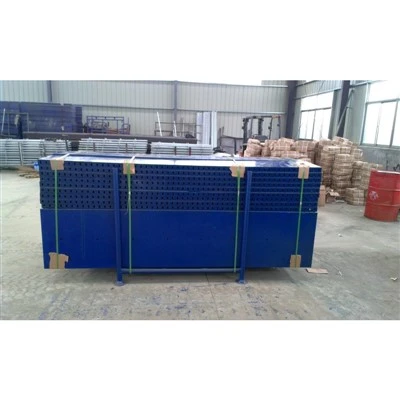
First off, what exactly are concrete tie rods? Well, they’re basically metal rods used in construction to keep building structures stable. You can find them in all sorts of places – from bridges and high – rise buildings to simple concrete slabs. They work by providing tension, helping to hold different parts of a structure together.
Alright, now onto the main topic: torsional strength. Torsional strength refers to a material’s ability to resist twisting forces. When it comes to concrete tie rods, this is super important because in real – world construction scenarios, these rods can face all kinds of complex loads, including torsion.
Let’s say you’ve got a big, heavy concrete structure. As the building goes through different environmental changes like wind, earthquakes, or just normal wear and tear, the tie rods might start to experience twisting forces. If the tie rods don’t have enough torsional strength, they can break or deform, which can lead to serious problems with the overall stability of the structure.
Factors Affecting Torsional Strength
There are a few key factors that can influence the torsional strength of concrete tie rods. One of the biggest ones is the material the rod is made of. Most of the time, we use steel for our tie rods because it’s got great strength and durability. But not all steels are created equal.
The quality of the steel, its chemical composition, and how it’s been processed all play a role. For example, high – carbon steel tends to have better strength than low – carbon steel. This is because the carbon atoms in high – carbon steel can form strong bonds within the metal lattice, making it more resistant to deformation, including torsion.
Another factor is the diameter of the tie rod. Generally speaking, a thicker rod will have more torsional strength than a thinner one. It’s like comparing a thick rope to a thin one – the thick rope can handle more twisting before it breaks. When we’re calculating the torsional strength of a rod, the diameter comes into the equation. The larger the diameter, the more material there is to resist the twisting forces.
The surface finish of the tie rod also matters. A smooth surface finish can reduce stress concentrations. When a rod has rough spots or defects on its surface, these areas can become points where stress builds up. And when stress gets too high in a particular spot, it can cause the rod to fail under torsional loads. We make sure to give our tie rods a good finish during the manufacturing process to enhance their torsional strength.
How to Measure Torsional Strength
Measuring the torsional strength of a concrete tie rod isn’t as simple as just looking at it. There are some standard tests that we use in the industry.
One common test is the torsion test. In this test, we take a sample of the tie rod and fix it at one end. Then, we apply a twisting force to the other end using a special machine. The machine gradually increases the torque (the twisting force) until the rod fails. By measuring the amount of torque at the point of failure, we can determine the torsional strength of the rod.
We also look at the angle of twist. As we apply the torque, the rod will start to twist. By measuring how much the rod twists at different levels of torque, we can get a better understanding of its behavior under torsional loads. This data helps us make sure that our tie rods meet the required standards for different construction projects.
Importance in Construction
In the construction world, the torsional strength of concrete tie rods is crucial. Think about a bridge. Bridges are constantly exposed to dynamic loads from traffic, wind, and even the movement of the earth. The tie rods in a bridge need to be able to handle these complex loads, including torsion.
If a bridge’s tie rods don’t have enough torsional strength, it could lead to cracks in the concrete structure or even a partial collapse. That’s why engineers and contractors are so careful when choosing the right tie rods for their projects. They rely on suppliers like us to provide high – quality tie rods with the appropriate torsional strength.
For high – rise buildings, the situation is similar. These buildings are subject to strong winds, which can cause the building to sway. The tie rods help to keep the building stable, and their torsional strength is essential to prevent any structural failures during these swaying movements.
Our Approach as a Supplier
As a supplier of concrete tie rods, we take the torsional strength of our products very seriously. We start by carefully selecting the raw materials. We work with trusted steel suppliers to get high – quality steel that meets our strict standards.
During the manufacturing process, we use advanced techniques to ensure that the tie rods are made to perfection. We control the diameter and the surface finish precisely to optimize the torsional strength. We also conduct rigorous testing on every batch of tie rods we produce. This includes torsion tests, as well as other quality control checks.
We understand that different construction projects have different requirements when it comes to torsional strength. So, we offer a range of tie rods with different specifications. Whether you’re working on a small residential project or a large – scale commercial building, we’ve got a tie rod that can meet your needs.
Why Choose Us
If you’re in the market for concrete tie rods, there are a few reasons why you should choose us. First of all, we’ve got years of experience in the industry. We’ve worked with all kinds of construction companies, from local contractors to big – name international firms. We know what it takes to provide high – quality tie rods that can withstand real – world conditions.
Our commitment to quality is second to none. We don’t just say we make good products; we prove it through our testing and quality control processes. You can trust that the tie rods you get from us will have the torsional strength and overall durability that your project requires.
We also offer great customer service. Our team is always ready to answer your questions, whether it’s about the torsional strength of our tie rods or any other technical details. We can help you choose the right product for your specific project, and we’ll work with you every step of the way to make sure you’re satisfied.
Contact Us for Your Purchase
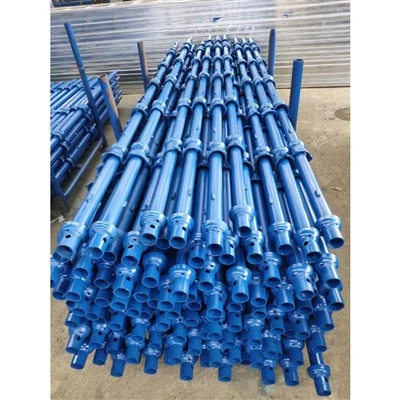
If you’re interested in purchasing concrete tie rods for your construction project, don’t hesitate to get in touch with us. We’re here to help you find the best solution for your needs. Whether you need a small quantity for a DIY project or a large order for a major construction site, we can accommodate you.
Ringlock Scaffolding Just reach out to us to start the conversation. We’ll be happy to provide you with more information about our products, including their torsional strength and other technical specifications. Let’s work together to make your construction project a success!
References
- "Introduction to Construction Materials" by David J. Jack and Robert J. Dehn
- "Mechanics of Materials" by Ferdinand P. Beer, E. Russell Johnston Jr., and John T. DeWolf
- Industry standards and guidelines for concrete tie rods, such as ASTM specifications
Rizhao Wellfit Scafform Co., Ltd.
Address: No. 7, Huasheng Road, Taoluo Town Industrial Zoon, Donggang District, Rizhao City
E-mail: sales@wfscafform.com
WebSite: https://www.wfscafform.com/
