Okay, I’m gonna write a blog about whether chemical packaging bags are resistant to solvents. As a supplier of chemical packaging bags, I’ve seen and dealt with all sorts of situations, so let me share some insights with you. Chemical Packaging Bags
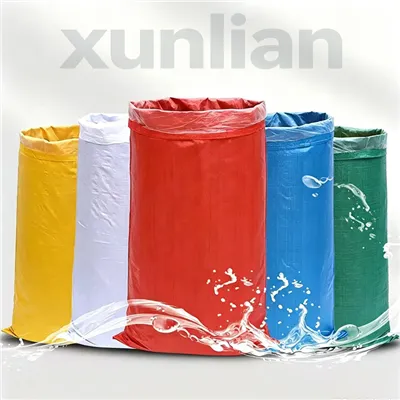
First off, let me explain what we’re talking about when we say "solvent resistance." Solvents are substances that can dissolve other materials. They can be things like alcohols, acetone, or various types of oils. When we use chemical packaging bags to store or transport chemicals, it’s crucial that the bags can withstand the solvents without breaking down or leaking.
Now, not all chemical packaging bags are created equal when it comes to solvent resistance. There are a few factors that determine how well a bag can handle solvents.
The material of the bag is a major factor. We use different types of plastics to make our chemical packaging bags, like polyethylene (PE), polypropylene (PP), and polyvinyl chloride (PVC). Each of these materials has its own unique properties when it comes to solvent resistance.
Polyethylene is a popular choice for a lot of our packaging bags. It’s tough, flexible, and relatively inexpensive. In general, it has good resistance to many solvents. For example, low – density polyethylene (LDPE) can handle mild solvents like some aqueous solutions and a lot of non – polar solvents. However, it can be attacked by strong oxidizing agents and some hydrocarbons. High – density polyethylene (HDPE) is even more robust. It has better resistance to a wider range of solvents compared to LDPE. It can handle more aggressive chemicals, but there are still limits. For example, in prolonged contact with hot solvents or some strong aromatics, even HDPE can start to show signs of degradation.
Polypropylene is another material we use. It’s known for its high melting point and good chemical resistance. PP has excellent resistance to many organic solvents, especially non – polar ones. It can hold up well against solvents like hexane, toluene, and some light oils. But similar to PE, it’s not invincible. Strong acids and bases can cause problems over time, and certain solvents like chlorinated hydrocarbons can gradually attack the material.
Polyvinyl chloride has been used in some of our specialized chemical packaging. PVC has good resistance to a lot of solvents, especially those that are water – based or have low polarity. However, it has its drawbacks.PVC can release harmful chlorine – containing compounds when exposed to certain solvents or high temperatures. Also, over time, some plasticizers in PVC can leach out when in contact with particular solvents, which can affect both the integrity of the bag and the quality of the chemical inside.
The thickness of the bag also matters a great deal. A thicker bag generally has better solvent resistance. When a chemical comes in contact with the bag material, it has to penetrate through the material. A thicker layer gives the solvent more material to work through, which means it takes longer for the solvent to cause any significant damage. So, if you’re dealing with a particularly aggressive solvent, a thicker bag is often a better choice.
The design of the bag can play a role in solvent resistance as well. Our bags come in different styles, like stand – up pouches, zip – lock bags, and flat bags. The seals and closures are important. If the seal isn’t properly made or isn’t resistant to the solvent, it can be a weak point. For example, a poorly sealed zip – lock bag might allow the solvent to seep out around the edges, even if the bag material itself is resistant.
Now, let’s talk about testing. We don’t just make these chemical packaging bags and hope for the best. We conduct a series of tests to ensure their solvent resistance. One common test is the immersion test. We take samples of the bag material and immerse them in different solvents for a set period of time. Then we check for any changes in the material, like swelling, discoloration, or loss of strength.
We also do stress – cracking tests. Solvents can sometimes cause stress cracks in the bag material, especially if there’s any internal stress in the plastic from the manufacturing process. By subjecting the bag samples to solvents while under stress, we can see if they’re likely to crack or fail under real – world conditions.
In real – world applications, the solvent resistance of our chemical packaging bags is crucial. For example, in the pharmaceutical industry, they use solvents in the manufacturing process, and they need to store and transport these solvents safely. Our bags with good solvent resistance ensure that the solvents don’t leak or contaminate the environment.
In the paint and coating industry, solvents are used to thin the paints and make them easier to apply. Our chemical packaging bags can be used to store these solvents, protecting them from evaporation and preventing spills.
But it’s important to note that even with our high – quality, solvent – resistant bags, there are always limitations. You need to consider the specific solvent you’re using, the concentration of the solvent, the temperature, and the duration of contact. If you’re dealing with a really harsh solvent, you might need to take extra precautions, like using an inner liner or double – bagging.
So, to answer the question "Are chemical packaging bags resistant to solvents?" The answer is it depends. Our chemical packaging bags are designed to have good solvent resistance, but it’s not a one – size – fits – all situation. We’ve got different materials, thicknesses, and designs to choose from, and we can help you pick the right one for your specific needs.
If you’re in the market for chemical packaging bags and want to know more about their solvent resistance or any other features, don’t hesitate to reach out. We’re here to have a chat, answer your questions, and help you find the perfect packaging solution for your chemicals.
References:
- "Handbook of Plastic Films"
- "Chemical Resistance of Plastics and Elastomers"
Printed Food Bags So, if you’re interested in our chemical packaging bags, just get in touch, and we can start a conversation about your procurement needs.
Liaoning Xunlian Packaging Products Co., Ltd.
Liaoning Xunlian Packaging Products Co., Ltd. is one of the most professional chemical packaging bags manufacturers and suppliers in China, featured by quality products and good service. Welcome to wholesale CE approved chemical packaging bags made in China here and get quotation from our factory. Customized orders are welcome.
Address: Chaoyang Industrial Park, Kangping, Shenyang, Liaoning, China.
E-mail: info@xunlianpack.com
WebSite: https://www.xunlianpack.com/
