Hey folks, let’s cut to the chase – if you’re running a small to mid-sized ag operation, or even a parts shop that keeps tractors, combines, and harvesters running, you know how pricey replacement machinery parts can get. Last winter, I had a customer who runs a 120-acre corn farm hit me up because his combine’s auger gear blew mid-harvest, and he was quoted $850 from the local dealer. I hooked him up with a remanufactured unit for $320, and he saved enough to cover his winter fertilizer. That’s the kind of win I live for, and over 10 years in the ag parts game, I’ve picked up way more tricks for sourcing these parts on a budget without sacrificing quality. Let’s dive in, no boring industry jargon, just real stuff that works. Agricultural Machinery Parts

First off, stop sleeping on remanufactured parts. Wait, don’t mix them up with “used” parts – remanufactured is totally different. When a part gets reman’d, every single worn component (gears, seals, bearings, even castings if they’re damaged beyond repair) gets replaced with brand-new OE-spec pieces, and the whole unit goes through a 20+ point test to make sure it’s as good as factory. I see way too many guys write reman off because they think it’s “knockoff junk,” but the numbers don’t lie – the USDA did a study a few years back showing that reman ag parts last 82% as long as new OE, and cost 40-60% less. Here’s my rule: stick to reman parts from suppliers that offer a 1-year minimum warranty, not the 30-day garbage you get from random online marketplaces. I personally only work with reman vendors that test every part on a running ag machine, so if something fails within that first year, we swap it no questions asked. Last quarter, I had a guy who bought a reman injector pump for his 2008 John Deere 6430 from a big-box parts store; it died in 2 weeks, and they made him pay to ship the old one back and waited 10 days for a replacement. My reman pumps come with a free 12-month warranty, and I’ll ship a replacement out same-day if you send a pic of the failed part – no hoops to jump through.
Next, OEM surplus and overstock is an absolute goldmine. Every major ag equipment brand (Case IH, New Holland, John Deere, you name it) has a huge amount of parts sitting in warehouses that they overordered, or that were made for a discontinued model. I get a bulk shipment of surplus OEM parts every 6 weeks, sometimes straight from the factory’s overflow stock. Last month, that shipment had 15 brand-new front spindle assemblies for Case IH 2388 combines that the factory had ordered 20 of, only used 5. Those spindles retail for $1,200 new, and I sold each of them for $650 – half the price, and they’re actual OEM, not some random copy. The key here is to build a relationship with a supplier who has direct access to that surplus, not a middleman. A lot of small parts shops don’t realize that brands don’t advertise their surplus because they don’t want to undercut their dealer network, so you have to ask. If you’re emailing suppliers, don’t just say “do you have cheap parts?” Say “I’m looking for OEM surplus parts for 2015-2020 models, no aftermarket junk” – that lets them know you’re serious and they’ll loop you in when surplus comes through. Also, surplus parts aren’t always for old machines; I’ve had guys with 2022 models find surplus brake pads that the dealer was charging $180 a set for, I sold them for $75 because they were leftover from a factory batch.
Then there’s generic aftermarket parts that actually fit – but only if you avoid the cheap junk. Wait, not all aftermarket parts are created equal. There are a handful of aftermarket manufacturers that make parts to the exact same specs as OE, but don’t pay the brand’s marketing and dealer markup. For example, a friend of mine runs an aftermarket parts maker that makes hydraulic hoses for tractors; their hoses use the same rubber and fittings as John Deere’s, but since they don’t have to pay for John Deere’s logo, they sell for 55% less. The mistake a lot of people make is buying the cheapest aftermarket hose off Amazon, which usually has thinner rubber and cracks after one season. My tip: look for aftermarket parts that have ISO certification – that’s the international standard for agricultural equipment parts, so if a part is ISO-certified, it’s been tested to work with your machine’s original performance requirements. I only stock ISO-certified aftermarket parts, and I tell customers: if you buy a non-certified part for $5, but it breaks mid-harvest and costs you $1,000 in lost crop, that’s not a deal. The certified aftermarket part for $15 will save you that headache. Last year, I had a guy who installed a cheap aftermarket fuel filter on his 2019 Fendt tractor; it clogged up, and he had to tow the tractor 40 miles to a shop, costing him $350 in towing and a day of harvest. He replaced it with my ISO-certified filter, and it’s still going strong 18 months later. So don’t write off aftermarket entirely – just filter out the no-name junk.
Don’t sleep on salvage yards, but know how to shop them smart. Ag salvage yards are way different than car junk yards; a good ag salvage yard will strip entire machines that are beyond repair (think engines that siezed, combines that rolled) for usable parts, and price them way lower than new. The catch here is you have to inspect the parts in person if you can, or ask for detailed photos, not blurry phone pics. A lot of guys buy a used crankshaft for $200 from a salvage yard, only to find it has a hidden crack when they machine it – that’s why inspection is key. If you can’t go to the yard, ask the salvage operator to spin the part to check for wear, look for rust, and tell you how many hours the original machine had when it was retired. I work with a local salvage yard that I’ve been partnered with for 7 years; we have a deal where if a part I buy from them doesn’t fit or fails in the first 30 days, we swap it for free. We also split the cost of shipping, so if a customer in Iowa buys a used radiator from a salvage yard in Kansas, I cover half the shipping to make sure it’s worth their while. Another pro tip: salvage yards usually have “core exchanges” – if you return your old, worn part when you pick up the new one, you’ll get a $50-$100 credit. I always remind customers to hang onto their old parts because that credit adds up, especially for big-ticket items like alternators or starters.
Wait, another big one: group buys with other local farmers or small part shops. If you’re a solo farmer, you might only need one spindle, but if you get 5 other farmers to pitch in, you can order a full pallet of spindles from a surplus supplier and split the cost. A few months back, a group of 8 corn and soybean farmers in central Illinois got together to order hydraulic hoses, fuel filters, and belt kits from me; because we ordered 20 of each part, I knocked 25% off the total, and each guy saved between $180 and $320. That’s a game-changer because suppliers will give way better pricing for bulk orders than for single units. A lot of people are shy about reaching out to other local farmers, but most of them are just as sick of high parts costs as you are – just post a quick note in your county’s farm Facebook group, say “looking to group buy ag parts next month, who’s in?” You’d be surprised how many people jump at that. Also, group buys aren’t just for physical parts – if you all need service parts at the same time, you can even coordinate with a local shop to get a discount on labor, but that’s a whole other topic.
And here’s a thing I see too many people miss: check for discontinued parts programs directly from brands. John Deere, Case IH, New Holland all have programs specifically for parts that are no longer in production. Their dealer network might not advertise these, but if you call the brand’s parts support line and ask for their discontinued parts list, they can point you to surplus stock they have leftover, or even connect you with authorized third-party suppliers that make reproductions of their old parts. Last year, a customer with a 1995 John Deere 4455 tractor needed a replacement PTO shaft; the dealer said it was discontinued and would take 8 weeks to make a custom one for $2,200. I called John Deere’s discontinued parts team, and they had a surplus reproduction shaft for $650, shipped in 3 days. That’s the kind of option you won’t find by just walking into your local dealer. Pro tip: when you call, have your machine’s serial number ready – that makes it way easier for the support rep to look up exactly what parts you need, no guessing.
Now, let’s talk about what to avoid, because there are a lot of scams out there. First, any part that’s listed as “universal” for your machine – most universal parts don’t fit right, and they wear out way faster. Second, suppliers that offer parts for 70% less than the average price – if it sounds too good to be true, it’s probably a fake. I’ve seen a guy buy a fake John Deere engine for $5,000 that broke down after 100 hours, and a real engine would have cost $7,000. Third, random online marketplaces like eBay or Facebook Marketplace from sellers with no reviews – I’ve had customers buy a used alternator from a random seller that had a burnt-out diode, and they couldn’t get a refund because the seller had no return policy. Stick to suppliers with verifiable reviews, a clear return policy, and a physical address (no PO boxes) – that’s how you avoid wasting money on parts that don’t work.
At the end of the day, sourcing ag parts on a budget is all about being intentional, not just chasing the cheapest price. It’s about knowing the difference between reman, surplus, and aftermarket, building relationships with suppliers that will hook you up with the best deals, and teaming up with other farmers to get bulk pricing. I’ve been in this game long enough to know that the worst thing you can do is wait until your part breaks to start looking – if you keep a list of common wear parts (belts, filters, hoses) and buy them when they’re on sale, you’ll avoid those panic buys when your combine dies mid-harvest.
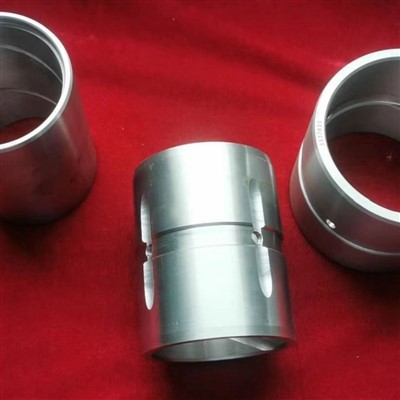
If you’re tired of overpaying for ag parts, or you need help tracking down a specific part for your machine, hit me up. I can walk you through whether reman, surplus, or aftermarket is the best fit for your machine, and hook you up with the best pricing. No sales pitch, no pressure, just straight advice from someone who’s been in your shoes and saved thousands of dollars on parts over the years.
Rail Transit Castings (References: U.S. Department of Agriculture, Agricultural Machinery Parts Cost Analysis, 2021; International Organization for Standardization, ISO 14253-1:2017 for Agricultural Equipment Part Certification; National Agri-Marketing Association, Small Farm Parts Sourcing Trends, 2022)
Qingzhou Shengchen Machinery Technology Co., Ltd.
As one of the leading agricultural machinery parts manufacturers and suppliers in China, we warmly welcome you to buy discount agricultural machinery parts for sale here and get free sample from our factory. If you have any enquiry about customized service, please feel free to email us.
Address: Industrial Park, Mihe Town, Qingzhou City, Weifang, Shandong Province
E-mail: gjywb@qzsckj.cn
WebSite: https://www.sc-casting.com/
