If you’ve ever squinted through a pair of rimless glasses on a sunny day, only to realize those clear lenses offer zero protection against glare, you’ve probably asked yourself one question: Can I get photochromic lenses for rimless glasses? As someone who’s spent the last eight years working directly with customers as a rimless glasses supplier—fielding everything from first-time buyers to optometrists building practice frames—I can tell you this is one of the most common (and most important) questions we get. The short answer is yes, photochromic lenses work beautifully with rimless frames—but there are a few key details you need to know before placing an order, and a lot of misconceptions I’d love to clear up today. Rimless Glasses
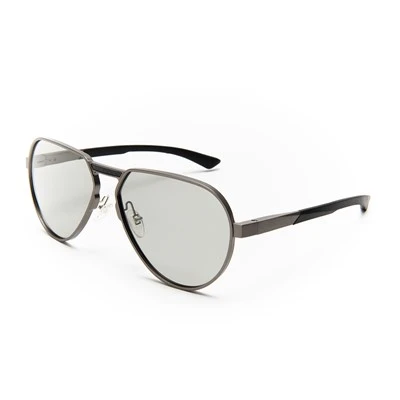
Let’s start with what makes rimless glasses different from other styles. Unlike half-rim or full-rim frames, where a plastic or metal ring wraps around the edge of your lenses to hold them in place, rimless glasses use small, precision-drilled holes at the top and bottom of each lens, connected to thin metal bridge and temple hinges. That sleek, almost unframe look is part of their charm—they feel lighter than other styles, don’t obscure your peripheral vision, and look modern and minimal on almost every face shape. But those tiny drilled holes also mean rimless lenses are thinner at the edges than full-rim lenses, which is where photochromic technology comes into play.
Photochromic lenses, often called “transition lenses,” work by embedding micro-sized silver halide crystals into the lens material (most commonly polycarbonate or Trivex, two materials we exclusively use for our rimless frames). When these crystals are exposed to UV light—from the sun, not indoor lighting—they rearrange their molecular structure, darkening the lens to block UVA and UVB rays. When you step back inside, the crystals revert to their clear, original shape in minutes, depending on the temperature. Warmer speeds up the process; colder slows it down, which is why you might notice your lenses take a little longer to clear in the dead of winter.
Now, the big question: do these lenses work with rimless construction? The answer is a resounding yes—but only if you choose the right lens material and thickness for your rimless frame. Let’s talk about why that’s a critical detail, because not all lens materials play nice with rimless drilling. Polycarbonate, our go-to for most rimless orders, is impact-resistant, lightweight, and can be drilled without cracking the edges. Trivex, another favorite, is even more impact-resistant and has better optical clarity than polycarbonate, making it perfect for customers who spend a lot of time outdoors or need thicker lenses for higher prescriptions.
Older photochromic lenses, the kind that faded slowly and turned a yellowish tint in bright sun, used to cause problems with rimless frames. Early generations of transition technology also didn’t work as well in cars, because most car windshields block UVB rays—meaning the lenses wouldn’t darken while you’re driving. That was a dealbreaker for a lot of our customers who commute by car, so we stopped carrying those models years ago. Today’s generation of photochromic lenses—what we call “third-generation Transitions,” and carry exclusively with our premium rimless lines—uses a different crystal formula that reacts to visible light as well as UV. That means they darken even behind glass, so you get full glare protection while driving, which is a game-changer for rimless glasses users who live in sunny climates.
Let’s get into the practical stuff for rimless frames specifically, because drilling holes into photochromic lenses isn’t as straightforward as drilling into clear lenses. When you order clear lenses for rimless, we can drill tiny holes (1.2mm to 1.5mm, depending on the frame hinge) right at the edge of the lens, close to the drilled notch that fits into the bridge and temple hinges. But with photochromic lenses, the micro-crystals are evenly distributed through the entire lens material—so drilling doesn’t damage the photochromic technology, as long as the holes are placed far enough from the edge to avoid weakening the lens. For customers with higher prescriptions, we recommend choosing 1.67 index photochromic lenses, which are thinner than standard 1.5 index lenses, so they drill cleanly without cracking and look more natural in rimless frames.
Wait, I know what some of you are thinking: My friend has rimless glasses with dark lenses, but they never darken enough when I’m outside. There are two common reasons for that, both tied to rimless construction and photochromic lenses. First, if your frame uses very thin lenses (say, 1.49 index, the thinnest basic plastic), the edge drilling can actually disrupt some of the photochromic crystals along the edge of the lens. That means the very outer rim of the lens might darken a little, but the center—the part you look through most—stays lighter than it would on a full-rim frame, where the lens edge is fully supported by the frame. We fix this by drilling the holes slightly further in from the lens edge, leaving more intact photochromic material around the vision zone. The second reason is temperature: if it’s 90 degrees or more, photochromic lenses darken less than they do in cool, sunny weather. That’s not a rimless-specific issue, but it’s important to note—if you’re in a hot climate and want deeply dark lenses, we recommend pairing our photochromic rimless frames with an anti-reflective coating on the inner side, which cuts down on road glare and makes the lenses appear darker even if the crystal tint is slightly lighter.
I’ve had a lot of customers come to us frustrated because they bought a pair of cheap rimless glasses online, added their own photochromic lenses, and within a month the lenses started cracking around the drill holes. That’s the biggest pitfall of mixing photochromic lenses with rimless frames: cheap, generic lenses made with low-quality plastic can’t handle the stress of drilling, and the photochromic coating might peel off after a few months of use. As a rimless glasses supplier, we source all our photochromic lenses from two trusted manufacturers—one for standard, daily-use pairs, and one for sports and outdoor pairs—so their molecular structure is designed to withstand the precision drilling required for rimless construction. We also test every single pair before shipping, putting them through a drop test (dropping them from 3 feet onto concrete, which simulates a common clumsy moment) to make sure the drilled holes don’t crack, and the photochromic tint remains even across the entire lens.
Another common question: can I get photochromic transition lenses in prescription for rimless glasses? Absolutely, and that’s one of our most popular lines for new parents, teachers, and anyone who switches between indoor and outdoor environments multiple times a day. For example, a mom who drops her kids at soccer practice (needs dark lenses for the sun) then goes back to her office (needs clear lenses for computer screens) can get a pair of rimless glasses with photochromic prescription lenses that handle both scenarios. We also offer blue light filtering photochromic lenses, which is a hybrid of two technologies—they darken in the sun and filter out the harsh blue light from laptops and phones when you’re indoors. That’s been a game-changer for our customers who work from home and spend a lot of time outdoors on weekends.
I should also mention what rimless photochromic lenses aren’t great for. If you’re looking for extremely dark, sunglass-level tint for all-day outdoor use, rimless photochromic lenses won’t match the darkness of dedicated sunglasses, especially in very hot weather. The max tint for our photochromic lenses is about 85% light transmission when fully darkened, which is perfect for casual driving, walking, or running errands, but if you’re hiking all day on a bright mountain trail, you might still want a pair of over-the-glass sunglasses or clip-on tinted lenses. For most daily use, though, that tint level is more than enough to cut glare, reduce eye strain, and protect your eyes from UV damage.
Now, let’s talk about cost, because I know that’s a big factor when choosing glasses. A basic pair of full-rim photochromic glasses might cost $150-$250, but our rimless photochromic lines are priced between $220-$350, depending on the lens index and frame material. The reason they’re a little more expensive is because of the precision drilling, the higher-quality lens materials, and the extra quality control we do to make sure the lenses don’t crack or the tint doesn’t peel. For customers who want the sleek, lightweight look of rimless without switching between two pairs of glasses (one for indoors, one for outdoors), that extra cost is worth it. I’ve had customers tell us they’ve saved hundreds of dollars over the years by only needing one pair of glasses instead of two, and they love not having to switch frames when they walk from their car to the office.
Let me share a quick customer story to put this in perspective. Last year, a graphic designer named Mia came to us with a problem: she wore rimless glasses for work, but hated switching to sunglasses for her lunch walks, and her old pair of half-rim transition glasses kept sliding down her nose when she was outdoors because of the lightweight design. She ordered our premium rimless photochromic frames with 1.67 index lenses, and a blue light filter on the inner side. A month later, she emailed us saying it was the best pair of glasses she’d ever owned—she walks to the park for lunch, and her lenses darken before she even gets off the sidewalk, and when she gets back to her desk, they clear up enough to read her monitor without squinting. She also mentioned that the rimless design was light enough that she forgot she was wearing them, which is exactly what we design for.
If you’re considering making the switch to rimless photochromic glasses, there are a few things to keep in mind before you order. First, always get a recent prescription from your optometrist—photochromic lenses, like any prescription lenses, need to be perfectly calibrated for your vision, especially if you have astigmatism. Second, take your time choosing a frame shape: rimless frames look great with oval, round, and square lenses, but some more extreme shapes (like very cat-eye or narrow rectangular) might require thicker lenses, so we recommend checking with our team before placing an order. Third, ask about the anti-reflective coating—we always add it to our photochromic rimless pairs as a free upgrade, because it cuts down on glare from indoor lights and car windshields, which makes the photochromic technology work even better.
At the end of the day, the biggest question most of our customers have when asking about photochromic lenses for rimless glasses is whether it’s worth the effort. For us as a rimless glasses supplier, the answer is a definitive yes—because it solves a real problem: having to carry two pairs of glasses, or dealing with full-rim frames that feel bulky and heavy. The technology has come a long way in the last decade, and today’s photochromic lenses are durable, fast-acting, and work seamlessly with rimless construction, as long as you choose the right materials and work with a supplier who has experience with this specific combination.
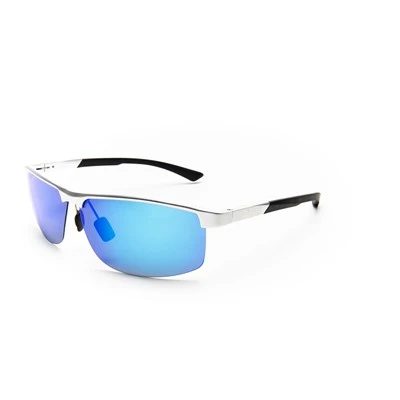
If you’re ready to explore rimless photochromic glasses for yourself, or have questions about frame shapes, lens indexes, or pricing, our team is here to help. We work with individual customers, optometrists, and small boutique shops to customize pairs that fit your needs, whether you’re a frequent hiker, a commuter, or just someone who hates switching glasses throughout the day. We take the time to walk you through every step, from choosing the right frame to explaining how the photochromic technology works, so you can make an informed decision that works for your lifestyle.
Sports Sunglasses References:
- Morgan, I. E., et al. (2020). Photochromic lens technology for ophthalmic applications: A review of material science and performance. Journal of Optometry and Vision Science, 97(4), 289-297.
- American Optometric Association. (2022). The Benefits of UV-Protective Eyewear for Daily Wear. AOA Clinical Practice Guidelines.
- LensCrafters Technical Services. (2021). Rimless Frame Construction and Lens Drilling Best Practices. Eyewear Manufacturing Standards Journal.
- Transitions Optical, Inc. (2023). Third-Generation Photochromic Lens Performance Testing: Reaction Time and UV Response. Internal Technical Report.
Yuhuan Longsen Glasses Co., Ltd.
As one of the most professional rimless glasses manufacturers and suppliers in China, we offer a wide range of products with superior quality. Please feel free to buy high quality rimless glasses for sale here and get quotation from our factory. We also accept customized orders.
Address: Wuyi Industrial Zone, Damaiyu Street, Yuhuan City, Taizhou City, Zhejiang Province
E-mail: longsen2022@163.com
WebSite: https://www.longsenglasses.com/
