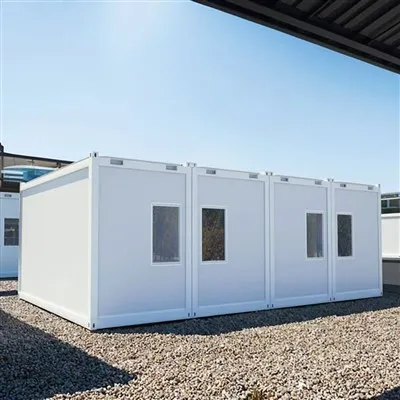
In the realm of self – storage businesses, finding the right storage solutions is crucial for success. As a supplier of flat pack containers, I’ve witnessed firsthand the growing interest in these modular structures and their potential for self – storage operations. This blog post aims to explore whether flat pack containers are suitable for self – storage businesses, delving into their advantages, limitations, and key considerations. Flat Pack Container
Advantages of Flat Pack Containers for Self – Storage
Cost – Effectiveness
One of the most significant benefits of flat pack containers for self – storage businesses is their cost – effectiveness. Unlike traditional pre – fabricated storage units, flat pack containers are shipped in a disassembled state, which reduces transportation costs significantly. This is because they take up less space during shipping, allowing for more units to be transported in a single shipment. Moreover, the lower cost of transportation translates into savings that can be passed on to the customer or reinvested in the business.
In addition to transportation savings, flat pack containers are often more affordable to manufacture. The modular design allows for mass production, which can lead to economies of scale. This means that the cost per unit is lower compared to custom – built storage facilities. For self – storage operators on a tight budget, flat pack containers offer a cost – efficient way to expand their storage capacity without breaking the bank.
Ease of Installation
Flat pack containers are designed to be easily assembled on – site. With basic tools and a small team of workers, the installation process can be completed relatively quickly. This is a major advantage for self – storage businesses, as it minimises downtime and allows for a faster turnaround from the decision to purchase to the units being ready for use.
The simplicity of installation also means that self – storage operators can customise the layout of their storage facility to suit their specific needs. For example, they can arrange the containers in rows, create multi – level storage, or incorporate them into an existing storage complex. This flexibility in design allows for the efficient use of space and the ability to adapt to changing market demands.
Durability and Weather Resistance
Most flat pack containers are constructed from high – quality materials such as steel or aluminium, which offer excellent durability and weather resistance. These materials are able to withstand harsh environmental conditions, including extreme temperatures, heavy rain, and strong winds. This makes them suitable for use in a wide range of climates and locations.
For self – storage businesses, the durability of flat pack containers is essential. It ensures that the stored items are protected from the elements and reduces the risk of damage due to weather – related factors. Additionally, the long lifespan of these containers means that they offer a reliable and cost – effective storage solution over the long term.
Portability and Expandability
Flat pack containers are highly portable, as they can be easily disassembled and moved to a new location if needed. This is particularly useful for self – storage businesses that may need to relocate or expand their operations in the future. The ability to move the containers also allows for the efficient use of space, as they can be repositioned to accommodate changing storage requirements.
Moreover, flat pack containers are easily expandable. Self – storage operators can add additional units to their existing facility as demand grows. This modular approach to expansion allows for a more scalable and cost – effective way to increase storage capacity compared to building a new, larger facility from scratch.
Limitations of Flat Pack Containers for Self – Storage
Aesthetic Appeal
One of the potential limitations of flat pack containers is their aesthetic appeal. While they are functional and practical, they may not offer the same level of visual appeal as traditional storage facilities. The industrial look of flat pack containers may not be suitable for all locations or customers, especially in areas where a more upscale or conventional appearance is desired.
However, this limitation can be mitigated through various means. For example, self – storage operators can paint the containers in custom colours, add signage, or incorporate landscaping around the facility to improve the overall aesthetic. Some flat pack container suppliers also offer options for more decorative finishes or architectural elements to enhance the visual appeal.
Limited Size Options
Flat pack containers typically come in standard sizes, which may limit the flexibility of a self – storage business. Customers may have specific storage needs that require non – standard sizes, and the availability of custom – sized flat pack containers may be limited or more expensive.
To address this issue, some suppliers offer a range of standard sizes that can be combined or modified to meet different storage requirements. Additionally, self – storage operators can work with the supplier to explore alternative solutions, such as custom – built inserts or partitions within the standard containers to create more flexible storage spaces.
Sound Insulation
Another potential drawback of flat pack containers is their relatively poor sound insulation. The metal construction of the containers can transmit noise easily, which may be a concern for both the self – storage operator and the customers. For example, if the containers are located near residential areas, the noise from opening and closing doors or moving items inside the containers may cause disturbances.
To improve sound insulation, self – storage operators can install soundproofing materials inside the containers. This can include insulation panels, carpets, or acoustic barriers. While this adds to the cost of the containers, it can significantly enhance the customer experience and reduce the risk of noise complaints.
Key Considerations for Self – Storage Businesses
Location and Zoning
Before investing in flat pack containers for a self – storage business, it is essential to consider the location and zoning regulations. Different areas may have specific requirements regarding the size, placement, and appearance of storage facilities. Some local authorities may have restrictions on the use of flat pack containers, especially in residential or environmentally sensitive areas.
It is important to consult with the local planning department early in the process to ensure that the use of flat pack containers complies with all relevant regulations. This can help avoid costly delays or legal issues down the line.
Security
Security is a top priority for self – storage businesses. Flat pack containers can be made secure with the right security features. This can include installing high – quality locks, security cameras, and access control systems. Additionally, the containers should be located in a secure facility with proper fencing and lighting.
The design of the flat pack containers themselves can also contribute to security. For example, some containers are built with reinforced walls and doors to prevent unauthorised entry. Self – storage operators should work with their suppliers to ensure that the containers meet their security requirements.
Marketing and Customer Perception
As mentioned earlier, the aesthetic appeal of flat pack containers can be a factor in customer perception. Self – storage businesses need to develop a marketing strategy that highlights the benefits of using flat pack containers, such as cost – savings, durability, and flexibility. They can also address any concerns about the appearance of the containers through effective branding and promotional materials.
Customer testimonials and case studies can be powerful marketing tools. By sharing success stories of other self – storage businesses that have used flat pack containers, operators can build trust and confidence among potential customers.
Conclusion
In conclusion, flat pack containers offer a viable and attractive option for self – storage businesses. Their cost – effectiveness, ease of installation, durability, and portability make them a practical choice for expanding storage capacity. However, they also have some limitations, such as aesthetic appeal and sound insulation, which need to be carefully considered.
For self – storage operators looking to enter the market or expand their existing facilities, flat pack containers can provide a cost – efficient and flexible solution. By addressing the key considerations, such as location, security, and marketing, businesses can maximise the benefits of using flat pack containers and create a successful self – storage operation.
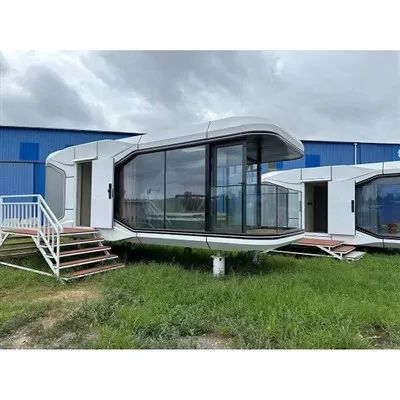
Standard Apple Cabin If you’re interested in exploring the use of flat pack containers for your self – storage business, I encourage you to get in touch. Our team of experts can provide you with detailed information, answer your questions, and help you find the best solutions to meet your specific needs. Let’s start a conversation about how flat pack containers can transform your self – storage business.
References
- "The Economics of Self – Storage: A Comprehensive Guide", Industry Research Report, 2023.
- "Portable Storage Solutions: Advantages and Applications", Journal of Modular Construction, Vol. 15, No. 2, 2022.
- "Best Practices in Self – Storage Facility Design and Management", Conference Proceedings, 2021.
Aoborui Seiko Technology (Weifang) Co., Ltd.
As one of the most professional flat pack container manufacturers and suppliers in China, we also support customized service. Please feel free to wholesale high-grade flat pack container made in China here from our factory. Welcome to view our website for more information.
Address: Building 38, Zhongnan High-tech, Weifang Yuandu Huizhi Industrial Park, No. 3999, Taixiang Street, Hanting District, Weifang City, Shandong Province
E-mail: admin@sino-abr.com
WebSite: https://www.sinoabr.com/
