Hey there! I’m a supplier of snap-in connection pieces, and today I wanna talk about the materials we use to make these nifty little things. Snap-in connection pieces are super handy in all sorts of industries, from electronics to automotive, and the materials we choose play a huge role in how well they work. Snap-in Connection Piece
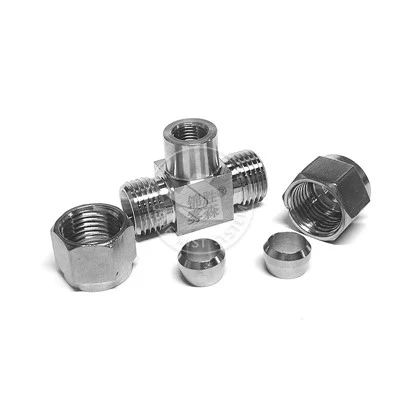
Let’s start with plastics. Plastics are one of the most commonly used materials for snap-in connection pieces, and for good reason. They’re lightweight, which is great if you’re trying to keep the overall weight of a product down. For example, in the consumer electronics industry, where every gram counts, plastic snap-in pieces are a go-to. They’re also relatively inexpensive to produce, so you can get a good quantity of them without breaking the bank.
One of the popular plastics we use is polycarbonate. Polycarbonate is known for its high impact resistance. This means that the snap-in pieces made from it can withstand a fair amount of rough handling without cracking or breaking. It’s also transparent, which can be useful in applications where you need to see what’s going on inside. For instance, in some medical devices, the transparency allows for easy inspection of internal components.
Another plastic we often turn to is acrylonitrile butadiene styrene (ABS). ABS is a tough and rigid plastic that has good chemical resistance. It can handle exposure to a variety of chemicals without degrading. This makes it suitable for use in industrial environments where the snap-in pieces might come into contact with solvents or other chemicals. ABS is also easy to mold, so we can create complex shapes for the snap-in connections, which is really useful for custom applications.
Now, let’s move on to metals. Metals are used when you need a stronger, more durable snap-in connection piece. Stainless steel is a top choice. It’s corrosion-resistant, so it can be used in outdoor or wet environments without rusting. In the marine industry, for example, stainless steel snap-in pieces are used in boat fittings because they need to withstand the salty sea air and water.
Stainless steel also has high strength. It can handle significant tension and compression forces without deforming. This makes it ideal for applications where the snap-in connection is under a lot of stress, like in heavy machinery. The only downside is that it’s heavier and more expensive than plastics, but the extra durability is often worth it.
Aluminum is another metal we work with. Aluminum is lightweight, like many plastics, but it’s also very strong for its weight. It has good thermal conductivity, which means it can dissipate heat quickly. This makes it a great choice for electronic devices that generate a lot of heat. The snap-in pieces can help with heat transfer and keep the components cool. Aluminum is also easy to machine, so we can create precise and detailed snap-in designs.
Then there are elastomers. Elastomers are rubber-like materials that are used when you need a snap-in connection piece with some flexibility. Silicone rubber is a common elastomer we use. It’s flexible and can be stretched and bent without losing its shape. It also has good temperature resistance, so it can work in both high and low-temperature environments. In automotive applications, silicone rubber snap-in pieces are used in gaskets and seals because they need to be able to conform to different shapes and withstand the heat generated by the engine.
Neoprene is another elastomer option. Neoprene is resistant to oil, ozone, and weathering. This makes it suitable for outdoor and industrial applications where the snap-in pieces might be exposed to harsh conditions. It’s also a good shock absorber, so it can help protect delicate components from vibrations.
In addition to these main materials, we sometimes use composites. Composites are made by combining two or more different materials to get the best properties of each. For example, a fiber-reinforced plastic composite can have the lightweight and moldability of plastic with the added strength of fibers. Carbon fiber composites, in particular, are very strong and lightweight. They’re often used in high-performance applications, like in aerospace or sports equipment, where weight reduction and strength are crucial.
When we’re choosing the material for a snap-in connection piece, we consider a few things. First, we look at the application. What is the snap-in piece going to be used for? If it’s for a consumer product that will be handled gently, a plastic might be sufficient. But if it’s for heavy industrial use, a metal or a strong composite might be needed.
We also think about the environment. Will the snap-in piece be exposed to heat, cold, moisture, or chemicals? This helps us determine if the material can withstand these conditions without degrading. And of course, cost is a factor. We want to provide our customers with the best possible snap-in connection pieces at a reasonable price, so we choose materials that balance performance and cost.
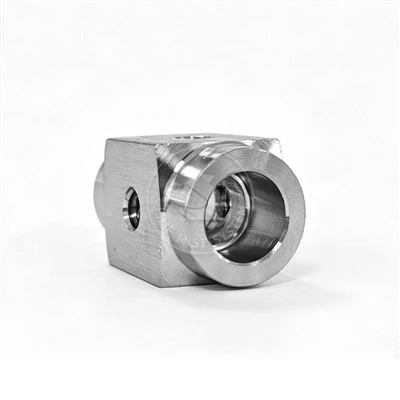
If you’re in the market for snap-in connection pieces, I’d love to help you out. We have a wide range of options available, made from the highest quality materials. Whether you need a small batch for a prototype or a large quantity for mass production, we can meet your needs. Just reach out to start a conversation about your specific requirements, and we’ll work together to find the perfect solution for you.
Pipe Fittings References
- "Engineering Plastics Handbook"
- "Metals in Engineering Applications"
- "Elastomers and Their Properties"
- "Composite Materials: Design and Applications"
Jinsheng Mist Forest-High Pressure Mist System
Jinsheng Mist Forest-High Pressure Mist System is one of the most experienced snap-in connection piece manufacturers and suppliers in China, featured by quality products and low price. Please rest assured to wholesale bulk snap-in connection piece in stock here and get pricelist from our factory. Customized orders are welcome.
Address: 109 Yonghong Road, Wenjiang District, Chengdu City, Sichuan Province, China
E-mail: 18190767523@163.com
WebSite: https://www.jswsmist.com/
