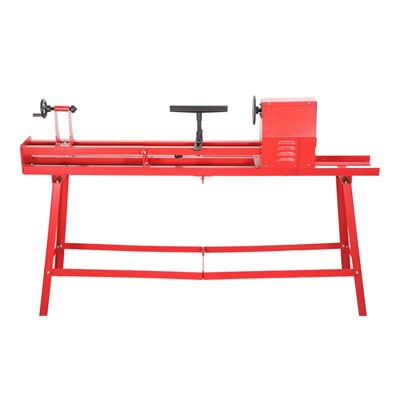
Adjusting the feed rate on a mini metal lathe is a crucial aspect of achieving precise and efficient machining results. As a supplier of mini metal lathes, I understand the importance of this process and its impact on the overall performance of the machine. In this blog, I will guide you through the steps of adjusting the feed rate on a mini metal lathe, share some tips and best practices, and explain why proper feed rate adjustment is essential for your machining operations. Mini Metal Lathes
Understanding Feed Rate
Before diving into the adjustment process, it’s important to understand what feed rate means in the context of a metal lathe. Feed rate refers to the speed at which the cutting tool moves along the workpiece during the machining process. It is typically measured in inches per revolution (IPR) or millimeters per revolution (mm/r). The feed rate plays a significant role in determining the surface finish of the workpiece, the tool life, and the overall productivity of the machining operation.
A proper feed rate helps to ensure that the cutting tool removes material at an optimal rate, preventing overloading or underutilization of the tool. If the feed rate is too high, the cutting tool may experience excessive wear, leading to poor surface finish and shorter tool life. On the other hand, if the feed rate is too low, the machining process will be inefficient, resulting in longer cycle times and increased production costs.
Factors Affecting Feed Rate
Several factors influence the appropriate feed rate for a particular machining operation on a mini metal lathe. These factors include:
- Material Type: Different materials have different cutting properties, which affect the feed rate. For example, softer materials like aluminum can generally be machined at higher feed rates compared to harder materials like steel.
- Cutting Tool: The type, size, and geometry of the cutting tool also play a role in determining the feed rate. Tools with a larger cutting edge or a more aggressive geometry can often handle higher feed rates.
- Workpiece Diameter: The diameter of the workpiece affects the cutting speed and the feed rate. Larger diameter workpieces may require lower feed rates to ensure proper chip formation and prevent tool breakage.
- Desired Surface Finish: If a high-quality surface finish is required, a lower feed rate may be necessary to reduce the roughness of the machined surface.
Steps to Adjust the Feed Rate on a Mini Metal Lathe
Now that you have a better understanding of feed rate and the factors that influence it, let’s walk through the steps to adjust the feed rate on a mini metal lathe:
Step 1: Consult the Lathe Manual
The first step is to refer to the lathe manual provided by the manufacturer. The manual contains detailed information about the feed rate adjustment mechanism specific to your mini metal lathe model. It will also provide recommended feed rates for different materials and cutting tools.
Step 2: Identify the Feed Rate Control
Locate the feed rate control on your mini metal lathe. The feed rate control is usually a lever, knob, or dial that allows you to adjust the feed rate. It may be located on the apron or the carriage of the lathe.
Step 3: Set the Gear Ratio
Some mini metal lathes have a gearbox that allows you to select different feed rates by changing the gear ratio. Refer to the lathe manual to determine the appropriate gear ratio for your desired feed rate. Use the gear lever or knob to select the appropriate gear.
Step 4: Adjust the Feed Rate Dial
If your mini metal lathe has a feed rate dial, use it to fine-tune the feed rate. Turn the dial clockwise to increase the feed rate or counterclockwise to decrease it. Make small adjustments and test the feed rate by making a trial cut on a scrap piece of material.
Step 5: Check the Feed Rate
After making the adjustments, check the feed rate using a feed rate indicator or by measuring the distance the cutting tool travels in a given number of revolutions. Compare the measured feed rate with the desired feed rate and make further adjustments if necessary.
Tips and Best Practices
Here are some tips and best practices to keep in mind when adjusting the feed rate on a mini metal lathe:
- Start with a Low Feed Rate: When machining a new material or using a different cutting tool, start with a low feed rate and gradually increase it until you find the optimal feed rate for the best results.
- Monitor the Cutting Process: Pay close attention to the cutting process while machining. Look for signs of excessive tool wear, poor surface finish, or chatter. If any of these issues occur, adjust the feed rate accordingly.
- Use Lubrication: Applying a suitable lubricant to the cutting tool and the workpiece can help reduce friction and heat, improve the surface finish, and extend the tool life. Refer to the lathe manual for recommendations on the type of lubricant to use.
- Maintain the Lathe: Regularly maintain your mini metal lathe to ensure smooth operation and accurate feed rate adjustment. Keep the lathe clean, lubricate the moving parts, and inspect the feed rate control mechanism for any signs of wear or damage.
Importance of Proper Feed Rate Adjustment
Proper feed rate adjustment is essential for several reasons:
- Optimal Tool Performance: A correct feed rate ensures that the cutting tool operates within its designed parameters, maximizing its performance and extending its lifespan.
- Improved Surface Finish: By adjusting the feed rate, you can achieve a smoother and more consistent surface finish on the workpiece, which is especially important for applications that require high precision.
- Increased Productivity: An appropriate feed rate helps to reduce machining time and increase productivity. By removing material at an optimal rate, you can complete machining operations more efficiently.
- Cost Savings: Using the correct feed rate reduces tool wear and breakage, which translates into cost savings on tool replacement. It also helps to minimize scrap and rework, further reducing production costs.
Contact for Purchase and Consultation
Metal Lathe If you are interested in purchasing a mini metal lathe or have any questions about feed rate adjustment or other aspects of machining, please feel free to contact us. Our team of experts is available to provide you with detailed information, offer technical support, and assist you in finding the right lathe for your specific needs. We are committed to providing high-quality products and excellent customer service to help you achieve your machining goals.
References
- [Title of relevant technical book], [Author’s Name], [Publisher], [Year of publication]
- [Title of industry – standard machining guide], [Organization], [Release year]
YS Machine Tools Co., Ltd.
We’re well-known as one of the leading mini metal lathes suppliers in China, featured by quality products and good service. Please rest assured to buy customized mini metal lathes at competitive price from our factory. Contact us for more details.
Address: 300 Sandusky st, Ohio, 43611, USA
E-mail: yishoumachinetools@gmail.com
WebSite: https://www.ysmachinetool.com/
