Yo, folks! I’m here as a supplier of annealing furnaces, and today I wanna chat about the super cool applications of annealed materials processed by these awesome machines. Annealing Furnace
1. Metalworking Industry
Let’s start with the metalworking industry, which is like a huge playground for annealed materials. You know, when metals like steel, copper, and aluminum go through the annealing process in our furnaces, they become much easier to work with.
Take steel, for example. When we heat it up in the annealing furnace and then cool it slowly, it relieves internal stresses. These stresses can build up during processes like machining, forging, or welding. After annealing, the steel becomes less brittle and more ductile. This means it can be bent, shaped, and formed without cracking. In the automotive industry, annealed steel is used to make all sorts of parts, from engine components to body panels. The ductility of annealed steel allows manufacturers to create complex shapes that meet the exact specifications of modern cars.
Copper is another metal that benefits greatly from annealing. In the electrical industry, annealed copper is a top – pick for making wires and cables. As unprocessed copper can be really tough and hard to draw into thin wires. But after annealing, it becomes softer and more malleable. This makes it possible to draw copper into extremely thin wires, which are essential for high – performance electrical circuits. The improved conductivity of annealed copper also ensures that electricity can flow through the wires with minimal resistance, reducing energy loss.
Aluminum is used in a variety of industries, from aerospace to consumer electronics. Annealing aluminum in our furnaces helps to improve its machinability. In the aerospace industry, annealed aluminum is used to make aircraft parts such as wings and fuselage components. The lighter weight of aluminum combined with the enhanced mechanical properties after annealing makes it an ideal material for reducing the overall weight of an aircraft, which in turn improves fuel efficiency.
2. Glass Manufacturing
Now, let’s move on to the glass – making world. Glass is a tricky material, and annealing is a crucial step in its production. When glass is formed, it cools unevenly, which creates internal stresses. These stresses can cause the glass to break spontaneously or shatter when it’s subjected to even a small amount of force.
Our annealing furnaces are designed to heat the glass to a specific temperature and then cool it down very slowly. This slow cooling process allows the glass molecules to rearrange themselves in a more uniform way, relieving the internal stresses. In the production of window glass, annealed glass is much safer and more durable. It can withstand changes in temperature and pressure without cracking or breaking easily.
In the manufacturing of glassware, like drinking glasses and vases, annealing is also essential. Annealed glassware has a better finish and is less likely to develop cracks or chips during normal use. It also has a higher resistance to thermal shock, which means you can pour hot liquids into a annealed glass without worrying about it breaking.
3. Jewelry Making
Jewelry makers also rely on annealed materials. Precious metals like gold, silver, and platinum need to be worked into various shapes to create beautiful pieces of jewelry. But these metals can become hard and brittle during the shaping process, especially when they’re hammered or bent.
By using our annealing furnaces, jewelers can heat these metals to a suitable temperature and then cool them slowly. This restores the malleability of the metals, allowing jewelers to continue working on them. For example, when making a gold ring, the jeweler may need to bend and shape the gold wire. After a few bends, the gold may become too hard to work with. Annealing the gold at this point makes it soft again, enabling the jeweler to finish the ring to perfection.
Annealed metals also have a better surface finish. This is important in jewelry making because it enhances the overall look of the piece. The smooth surface of annealed metals can better reflect light, giving the jewelry a more luxurious and shiny appearance.
4. Tool and Die Making
In the tool and die – making industry, the quality of materials is of utmost importance. Tools and dies are subjected to high levels of stress and wear during their use, so they need to have the right combination of hardness and toughness.
Our annealing furnaces play a key role in achieving this balance. For example, when making cutting tools like drills and saw blades, the steel used needs to be annealed first. This softens the steel, making it easier to machine into the desired shape. After the machining process, the tool can then be heat – treated further to achieve the required hardness.
Dies, which are used to shape metals and plastics, also benefit from annealing. Annealed dies have better dimensional stability. They are less likely to warp or deform under high pressure, ensuring that the products they produce have consistent quality.
5. Semiconductor Industry
Even in the high – tech semiconductor industry, annealed materials are in demand. Semiconductor wafers, which are the building blocks of electronic devices, often go through an annealing process.
When impurities are introduced into semiconductor wafers during the doping process, annealing helps to activate these impurities. It also repairs any damage to the crystal lattice structure of the semiconductor material that may have occurred during previous manufacturing steps. This improves the electrical properties of the semiconductor, such as its conductivity and carrier mobility.
In the production of integrated circuits, annealed semiconductor wafers are essential for ensuring the reliable operation of electronic devices. The improved electrical properties of annealed semiconductors allow for faster and more efficient data processing, which is crucial in today’s digital age.
Why Choose Our Annealing Furnaces?
We’ve been in the annealing furnace business for quite a while, and we know what it takes to make a great furnace. Our furnaces are designed with the latest technology to ensure precise temperature control. This is super important because different materials require different annealing temperatures and cooling rates.
We also offer excellent after – sales service. If you run into any problems with our furnace, our team of experts is just a call away. We’ll help you troubleshoot the issue and get your furnace up and running in no time.
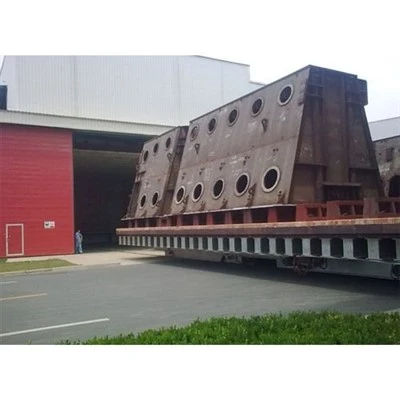
Car-Bottom Forging Furnace If you’re in the market for an annealing furnace, or if you have any questions about the applications of annealed materials, don’t hesitate to reach out. We’re here to help you find the perfect solution for your business. Whether you’re a small jewelry maker or a large – scale metalworking company, we’ve got the right furnace for you. So, let’s start a conversation and see how we can work together to take your business to the next level.
References
- "Metallurgy for the Non – Metallurgist" by John S. Dinsdale
- "Glass Science and Technology" by David R. Uhlmann and Norman J. Kreidl
- "Jewelry Manufacturing Technology" by Tim McCreight
- "Tool and Die Making Technology" by Robert A. Granger
- "Semiconductor Physics and Devices" by Donald A. Neamen
Danyang Dingfeng Industrial Furnace Co., Ltd.
Danyang Dingfeng Industrial Furnace Co., Ltd. is one of the most experienced annealing furnace manufacturers and suppliers in China, also supports customized service with low price. Please feel free to wholesale high quality annealing furnace made in China here from our factory. For pricelist, contact us now.
Address: Lizhuang Economic Development Zone, Danyang City
E-mail: saleszk@dffurnace.com
WebSite: https://www.dffurnace.com/
