What is the vibration level of a rotary motion control valve? Rotary Motion Control Valve
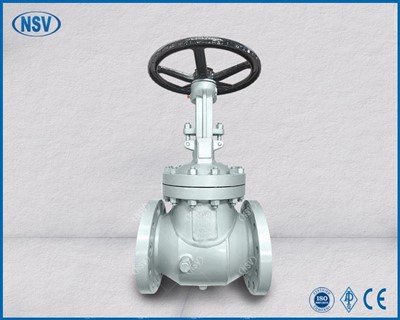
As a supplier of rotary motion control valves, I’ve encountered numerous inquiries about the vibration level of these essential industrial components. Understanding the vibration level of a rotary motion control valve is crucial for ensuring its proper functioning, longevity, and the overall efficiency of the systems in which it is installed. In this blog post, I’ll delve into the concept of vibration levels in rotary motion control valves, the factors that influence them, and why they matter.
Defining Vibration Levels in Rotary Motion Control Valves
Vibration in a rotary motion control valve refers to the oscillatory movement or shaking that occurs during its operation. The vibration level is a quantitative measure of the intensity of this movement. It is typically expressed in terms of displacement (the distance the valve moves from its equilibrium position), velocity (the speed at which the displacement occurs), or acceleration (the rate of change of velocity).
In industrial settings, vibration levels are often measured using specialized sensors such as accelerometers. These sensors are capable of detecting and recording the vibrations in different directions (axial, radial, and tangential) and at various frequencies. The data collected from these sensors can then be analyzed to determine the overall vibration level of the valve.
Factors Influencing Vibration Levels
Several factors can influence the vibration level of a rotary motion control valve. Understanding these factors is essential for diagnosing and addressing any vibration-related issues that may arise.
Fluid Flow Characteristics
The characteristics of the fluid flowing through the valve play a significant role in determining its vibration level. High-velocity flows, for example, can create turbulent forces that cause the valve to vibrate. The presence of cavitation, which occurs when the pressure of the fluid drops below its vapor pressure, can also lead to increased vibration levels. Cavitation can cause the formation of vapor bubbles that collapse violently, generating shock waves that can damage the valve and increase its vibration.
Valve Design and Geometry
The design and geometry of the rotary motion control valve can also affect its vibration level. Valves with complex internal geometries or those that are not properly balanced may be more prone to vibration. Additionally, the type of seal used in the valve can influence its vibration characteristics. For example, a poorly designed or worn seal can allow fluid leakage, which can create additional forces that cause the valve to vibrate.
Operating Conditions
The operating conditions under which the valve is used can also have a significant impact on its vibration level. High temperatures and pressures can cause the materials of the valve to expand and contract, which can lead to increased vibration. Similarly, frequent cycling or rapid changes in flow rate can also cause the valve to vibrate more than normal.
Mounting and Installation
The way the valve is mounted and installed can also affect its vibration level. Improper mounting can cause the valve to be misaligned or subject to excessive stress, which can lead to increased vibration. Additionally, the use of soft or flexible piping connections can transmit vibrations from other components in the system to the valve, further increasing its vibration level.
Why Vibration Levels Matter
High vibration levels in a rotary motion control valve can have several negative consequences. Firstly, excessive vibration can cause wear and tear on the valve components, leading to premature failure. This can result in costly downtime and repairs. Secondly, vibration can also affect the accuracy and reliability of the valve’s control function. A vibrating valve may not be able to maintain a consistent flow rate or pressure, which can lead to process inefficiencies and product quality issues.
In addition to these operational issues, high vibration levels can also be a safety concern. Vibrating valves can generate noise and vibrations that can be transmitted throughout the system, potentially causing damage to other equipment or posing a risk to personnel. Moreover, in some industries, such as the oil and gas industry, excessive vibration can increase the risk of leaks or other safety hazards.
Measuring and Monitoring Vibration Levels
To ensure the proper functioning of a rotary motion control valve, it is essential to measure and monitor its vibration levels regularly. This can be done using a variety of techniques, including the use of accelerometers, vibration meters, and acoustic sensors.
Accelerometers are the most commonly used sensors for measuring vibration levels in industrial applications. They are capable of detecting vibrations in different directions and at various frequencies, providing a comprehensive picture of the valve’s vibration characteristics. Vibration meters, on the other hand, are simpler devices that provide a single measurement of the vibration level, typically in terms of displacement, velocity, or acceleration.
Acoustic sensors can also be used to monitor vibration levels in rotary motion control valves. These sensors detect the sound waves generated by the vibrating valve and convert them into electrical signals that can be analyzed to determine the vibration level. Acoustic sensors are particularly useful for detecting early signs of valve damage or malfunction, as they can detect changes in the valve’s acoustic signature before any visible signs of damage appear.
Controlling Vibration Levels
Once the vibration levels of a rotary motion control valve have been measured and monitored, steps can be taken to control them. This may involve making adjustments to the valve’s operating conditions, such as reducing the flow rate or pressure, or modifying the valve’s design or installation.
In some cases, it may be necessary to install additional components, such as vibration dampers or isolators, to reduce the vibration levels. Vibration dampers work by absorbing the energy of the vibrations, while isolators work by separating the valve from the rest of the system, preventing the transmission of vibrations.
Conclusion

In conclusion, understanding the vibration level of a rotary motion control valve is essential for ensuring its proper functioning, longevity, and the overall efficiency of the systems in which it is installed. By measuring and monitoring the vibration levels regularly and taking appropriate steps to control them, it is possible to minimize the risk of valve failure, improve process efficiency, and enhance safety.
Nickel Alloy Valves If you are in the market for a high-quality rotary motion control valve or need assistance with controlling the vibration levels of your existing valves, please do not hesitate to contact us. Our team of experts is available to provide you with the information and support you need to make the right decision for your application.
References
- ASME PTC 25 – Performance Test Code on Control Valves
- ISO 10439 – Industrial Process Control Valves
- Valves Handbook, Leutwyler, Raymond D.
NSV Valve Corporation
NSV Valve Corporation is one of the most professional rotary motion control valve manufacturers and suppliers in China, featured by quality products and good service. Please rest assured to buy rotary motion control valve made in China here from our factory.
Address: Puyi Road,Sanqiao Industrial Zone, Oubei Street, Yongjia County,Zhejiang,China
E-mail: info@nsvvalve.com
WebSite: https://www.nsvvalves.com/
