As a seasoned supplier of Aramid Conveyor Belts, I’ve witnessed firsthand the integral role these belts play in various industries, from mining and manufacturing to logistics. While Aramid Conveyor Belts offer numerous advantages such as high strength, flexibility, and resistance to wear, it’s crucial to prioritize the safety of workers who operate and maintain them. In this blog post, I’ll share some essential tips and best practices to ensure the safety of workers when using Aramid Conveyor Belts. Aramid Conveyor Belt
Pre – Installation Safety Measures
1. Inspection and Handling
Before installation, it’s essential to conduct a thorough inspection of the Aramid Conveyor Belt. Check for any visible damage, such as cuts, tears, or abrasions, which could compromise the belt’s integrity during operation. When handling the belt, use proper lifting equipment and techniques. Aramid belts can be heavy, especially in large sizes, and improper handling can lead to back injuries or dropped loads. Workers should wear appropriate personal protective equipment (PPE) like gloves to prevent cuts from the belt edges.
2. Site Preparation
The installation site must be clean, dry, and free of any debris or obstacles. Ensure that the conveyor frame is properly aligned and leveled. Misaligned conveyor frames can cause the belt to run off – track, increasing the risk of accidents. All electrical components, such as motors and controls, should be inspected and tested to ensure they are in good working condition. Provide clear signage around the installation area to warn workers of potential hazards.
3. Training
All workers involved in the installation process should receive comprehensive training. They need to understand the specific features and requirements of Aramid Conveyor Belts. Training should cover topics like proper installation techniques, safety procedures, and emergency response. Workers should also be trained on how to use the tools and equipment required for installation safely.
Operational Safety
1. Regular Maintenance
Regular maintenance is key to ensuring the safe operation of Aramid Conveyor Belts. Establish a maintenance schedule that includes tasks such as belt cleaning, tension adjustment, and inspection of rollers and pulleys. Clean the belt regularly to remove any material buildup, which can cause the belt to slip or overheat. Check the tension of the belt frequently; an improperly tensioned belt can lead to excessive wear and potential failure. Inspect the rollers and pulleys for damage or misalignment, as these can also cause the belt to run unevenly.
2. Monitoring Systems
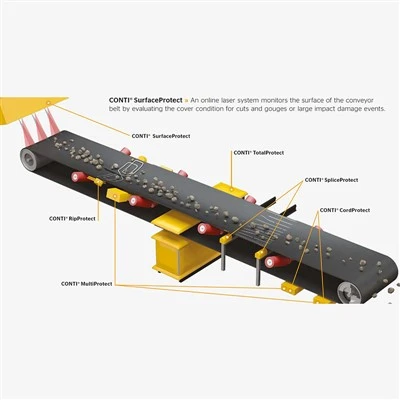
Install monitoring systems to keep track of the belt’s condition during operation. These systems can detect issues such as belt slippage, temperature changes, and abnormal vibrations. Real – time monitoring allows for early detection of potential problems, enabling quick intervention before they escalate into safety hazards. For example, if the temperature of the belt rises above a certain threshold, it could indicate a problem with the motor or a blockage in the conveyor system.
3. Safe Work Practices
Encourage workers to follow safe work practices at all times. This includes keeping hands and clothing away from moving parts of the conveyor, such as belts, rollers, and pulleys. Workers should also avoid walking or standing on the conveyor belt, as this can lead to falls and entanglement. If a worker needs to perform maintenance or cleaning on the belt, the conveyor must be shut down and locked out to prevent accidental startup.
4. Emergency Procedures
Develop and implement clear emergency procedures for conveyor belt – related incidents. Workers should be trained on these procedures and know how to respond in case of a fire, belt breakage, or other emergencies. Provide emergency stop buttons at easily accessible locations along the conveyor system. In the event of an emergency, workers should be able to quickly stop the conveyor to prevent further damage or injury.
Post – Operation Safety
1. Belt Removal and Disposal
When it’s time to remove an Aramid Conveyor Belt, follow proper procedures to ensure the safety of workers. Shut down the conveyor and lock out the power source. Use appropriate tools to carefully remove the belt from the conveyor system. If the belt is damaged or has reached the end of its service life, dispose of it properly according to local environmental regulations. Aramid belts may contain materials that need to be handled in a specific way to prevent environmental contamination.
2. Documentation
Keep detailed records of all maintenance, inspections, and incidents related to the Aramid Conveyor Belts. This documentation can be used for future reference, compliance purposes, and to identify trends or recurring problems. For example, if a particular section of the belt consistently experiences wear, it may indicate a problem with the conveyor design or operation that needs to be addressed.
Communication and Collaboration
1. Internal Communication
Foster open communication among workers, supervisors, and maintenance staff. Encourage workers to report any safety concerns or potential issues with the conveyor belts immediately. Regular safety meetings can be an effective way to discuss safety topics, share information, and address any questions or concerns workers may have.
2. Collaboration with Suppliers
As a supplier of Aramid Conveyor Belts, I am dedicated to providing ongoing support to my customers. We offer technical advice, training materials, and on – site assistance to ensure the proper use and maintenance of our belts. By collaborating closely with my customers, we can work together to identify and address any safety challenges they may face.
In conclusion, ensuring the safety of workers when using Aramid Conveyor Belts requires a comprehensive approach that includes pre – installation, operational, and post – operation safety measures. By following these best practices, industries can minimize the risk of accidents and injuries, while maximizing the performance and lifespan of their conveyor belts.
PVC Conveyor Belt If you’re interested in purchasing high – quality Aramid Conveyor Belts or have any questions about safety and maintenance, I invite you to reach out for a procurement discussion. Our team of experts is ready to assist you in finding the right solutions for your specific needs.
References
- "Conveyor Belt Safety Handbook" – Published by a leading industry safety organization, this handbook provides in – depth information on conveyor belt safety, including installation, operation, and maintenance.
- Industry research reports on Aramid Conveyor Belts, which offer insights into the latest safety features and technologies.
- Safety standards and guidelines issued by relevant regulatory bodies, such as OSHA (Occupational Safety and Health Administration) in the United States.
Alumina Technology (Qingdao) New Materials Co., Ltd.
As one of the most professional aramid conveyor belt manufacturers and suppliers in China, we also support customized service. With abundant experience, we warmly welcome you to buy aramid conveyor belt for sale here and get quotation from our factory. For price consultation, contact us.
Address: No.448, Jiangshan South Road, Huangdao District, Qingdao City, Shandong Province
E-mail: Gloria.zhang@contitech.cn
WebSite: https://www.altechconveyorbelt.com/
