When it comes to choosing a leakage detection cable, there are several factors that you need to take into consideration. As a leakage detection cable supplier, I’ve seen firsthand how important it is to make the right choice. In this blog post, I’ll share with you the key factors that should influence your decision. Leakage Detection Cable
Sensitivity
One of the most important factors to consider is the sensitivity of the leakage detection cable. The sensitivity determines how quickly the cable can detect a leak and how small a leak it can detect. For applications where even a tiny leak can cause significant damage, like in data centers or pharmaceutical manufacturing facilities, you’ll want a highly sensitive cable.
A cable with high sensitivity can pick up on the slightest amount of liquid, which means you can catch leaks early and prevent costly damage. On the other hand, if you’re using the cable in an environment where larger leaks are more likely and the consequences of a small leak are minimal, you might be able to get away with a less sensitive cable. This can save you some money, as more sensitive cables tend to be more expensive.
Chemical Compatibility
The type of liquid you’re trying to detect also plays a big role in your choice of leakage detection cable. Different cables are designed to be compatible with different types of chemicals. For example, if you’re dealing with water leaks, a standard water – sensitive cable will work just fine. But if you’re working in an industrial setting where you might have corrosive acids or solvents, you’ll need a cable that can withstand these harsh chemicals.
Using a cable that isn’t chemically compatible with the liquid you’re detecting can lead to false alarms or, even worse, the cable failing to detect a leak at all. So, before you make a purchase, make sure you know exactly what kind of liquid you’re going to be dealing with and choose a cable that’s specifically designed for it.
Environmental Conditions
The environment in which the leakage detection cable will be installed is another crucial factor. If the cable is going to be exposed to extreme temperatures, high humidity, or direct sunlight, you need to choose a cable that can withstand these conditions.
For outdoor installations, you’ll want a cable that’s UV – resistant and can handle a wide range of temperatures. In a humid environment, like a basement or a storage facility near a water source, a cable with good moisture resistance is essential. If the cable will be installed in a dirty or dusty environment, it should be able to resist the build – up of debris that could interfere with its performance.
Length and Flexibility
The length of the area you need to monitor will determine the length of the leakage detection cable you need. Make sure you measure the area accurately before making a purchase. Some cables come in standard lengths, while others can be cut to the desired length.
Flexibility is also important, especially if you need to bend the cable around corners or install it in tight spaces. A more flexible cable will be easier to install and can conform to the shape of the area you’re monitoring. This is particularly important in complex piping systems or areas with irregular shapes.
Response Time
The response time of the leakage detection cable is how quickly it can send a signal once a leak is detected. In some applications, a fast response time is absolutely critical. For example, in a power generation plant, a quick response can prevent a small leak from turning into a major disaster.
Cables with a short response time are able to detect and signal a leak almost immediately. However, these cables can be more expensive. You’ll need to balance the importance of a fast response time against your budget and the specific requirements of your application.
Alarm and Monitoring Systems
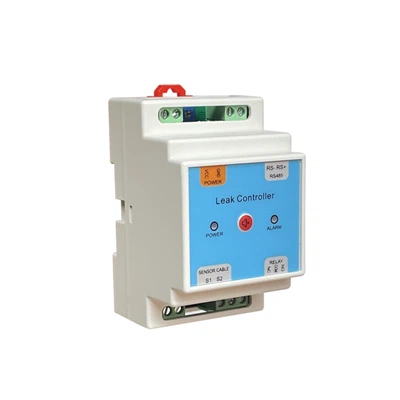
The leakage detection cable needs to be compatible with your alarm and monitoring systems. You want a cable that can easily integrate with your existing setup. Some cables come with built – in sensors that can directly connect to a control panel, while others may require additional equipment.
Make sure the cable you choose can send a clear and reliable signal to your monitoring system. The alarm should be loud enough to alert the necessary personnel, and the monitoring system should be able to provide detailed information about the location and severity of the leak.
Cost
Cost is always a factor when making any purchase, and choosing a leakage detection cable is no exception. You need to consider not only the initial cost of the cable but also the long – term cost of maintenance and replacement.
A more expensive cable may have better features, such as higher sensitivity or better chemical resistance, but it might be overkill for your needs. On the other hand, a cheap cable may end up costing you more in the long run if it fails to perform properly or needs frequent replacement.
Ease of Installation
The ease of installation is also something to think about. A cable that’s easy to install can save you time and money on labor costs. Look for cables that come with clear installation instructions and are relatively straightforward to work with.
Some cables can be simply laid on the floor or attached to a surface using adhesive tape. Others may require more complex installation procedures, such as running the cable through conduit or drilling holes for mounting.
Durability
Durability is key when it comes to leakage detection cables. You want a cable that can last for a long time without losing its performance. A durable cable will be able to withstand normal wear and tear, as well as the environmental conditions it’s exposed to.
Look for cables that are made from high – quality materials and have a good reputation for reliability. A cable with a long warranty is often a sign of a durable product.
Technical Support and Maintenance
Finally, consider the technical support and maintenance options available from the supplier. You want a supplier who can provide you with help and advice if you run into any problems with the cable.
Good technical support can save you a lot of headaches in the long run. And regular maintenance, such as cleaning and testing the cable, can ensure that it continues to function properly over time.

In conclusion, choosing the right leakage detection cable is a complex decision that requires careful consideration of several factors. As a leakage detection cable supplier, I’m here to help you make the best choice for your specific needs. If you’re interested in learning more about our products or have any questions about choosing the right cable, feel free to reach out to us. We’d be more than happy to have a discussion with you and guide you through the procurement process.
Leakage Detection Cable References
- Industry Standards for Leakage Detection
- Best Practices in Water and Chemical Leak Detection
Shenzhen Goldkoon Automation Equipment Co., Ltd.
As one of the most professional leakage detection cable manufacturers and suppliers in China, we also support customized service. Please feel free to wholesale advanced leakage detection cable made in China here from our factory. Contact us for more details.
Address: 3rd Floor, Building 3, Mingrenju Industrial Park, No. 10, Maotian Road, Kengzi Sub-district, Pingshan District, Shenzhen City, Guangdong Province, China
E-mail: gold@goldkoon.com
WebSite: https://www.goldkoonsensor.com/
