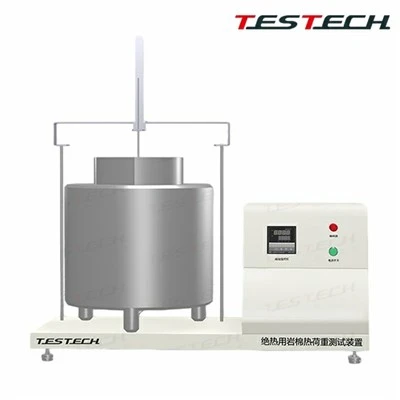
Hey there! As a supplier of Building Materials Flammability Testers, I’ve seen firsthand how crucial it is to optimize the testing process. In this blog post, I’m gonna share some tips and tricks that can make your testing more efficient and accurate. Building Materials Flammability Tester
Understanding the Basics
Before we dive into the optimization strategies, let’s quickly go over what a Building Materials Flammability Tester does. These testers are designed to evaluate how easily building materials catch fire, how fast the flames spread, and how much heat and smoke they produce. This info is super important for ensuring that the materials used in construction meet safety standards.
Now, I know that the testing process can be a real pain, but it doesn’t have to be. By following a few simple steps, you can streamline the process and get more reliable results.
Calibration and Maintenance
One of the most important aspects of optimizing the testing process is to make sure your tester is properly calibrated and maintained. Calibration ensures that the tester is giving accurate readings, while regular maintenance helps prevent breakdowns and extends the lifespan of the equipment.
I always recommend calibrating your tester at least once a year, or more often if it’s used frequently. You can do this by using a certified calibration standard, which will give you a reference point to compare your tester’s readings against.
In addition to calibration, it’s also important to keep your tester clean and well-maintained. This means regularly cleaning the test chamber, replacing worn-out parts, and lubricating moving components. By doing these things, you can prevent issues like clogging, overheating, and inaccurate readings.
Sample Preparation
Another key factor in optimizing the testing process is proper sample preparation. The way you prepare your samples can have a big impact on the accuracy and reliability of your test results.
First of all, make sure you’re using the right sample size and shape. Different testers have different requirements, so it’s important to follow the manufacturer’s instructions. In general, the sample should be representative of the material being tested and should be cut to the appropriate size and shape.
Next, you’ll need to condition your samples before testing. This involves exposing them to a specific temperature and humidity for a certain period of time to ensure that they’re in a consistent state. Conditioning helps to reduce variability in the test results and makes them more reliable.
Finally, make sure you’re handling the samples correctly. Avoid touching the test surface with your hands, as this can introduce contaminants and affect the test results. Instead, use clean gloves or tongs to handle the samples.
Test Procedure
Once you’ve calibrated your tester and prepared your samples, it’s time to start the testing process. Here are some tips to help you optimize the test procedure:
Follow the Standard Test Method
There are several standard test methods available for evaluating the flammability of building materials, such as ASTM E84, UL 723, and NFPA 255. These methods provide detailed instructions on how to conduct the test and interpret the results. Make sure you’re following the appropriate test method for your application to ensure accurate and reliable results.
Use the Right Test Conditions
The test conditions can have a significant impact on the test results. Make sure you’re using the right temperature, humidity, and air flow conditions for the test. These conditions should be specified in the standard test method, so make sure you’re following them carefully.
Take Multiple Measurements
To ensure the accuracy and reliability of your test results, it’s a good idea to take multiple measurements. This will help you to identify any variability in the results and to get a more accurate picture of the material’s flammability.
Record the Results Accurately
Finally, make sure you’re recording the test results accurately. This includes the test conditions, the sample information, and the test results themselves. You can use a spreadsheet or a database to record the results, which will make it easier to analyze and compare them over time.
Data Analysis and Reporting
Once you’ve completed the testing process, it’s time to analyze the data and generate a report. Here are some tips to help you optimize this process:
Use Data Analysis Software
There are several data analysis software programs available that can help you to analyze the test results and generate reports. These programs can save you a lot of time and effort and can provide more accurate and detailed analysis.
Compare the Results to the Standards
Make sure you’re comparing the test results to the relevant standards to determine whether the material meets the requirements. If the material fails to meet the standards, you’ll need to take corrective action, such as modifying the material or using a different material.
Generate a Clear and Concise Report
Finally, make sure you’re generating a clear and concise report that summarizes the test results and provides recommendations for further action. The report should include the test conditions, the sample information, the test results, and any conclusions or recommendations.
Conclusion
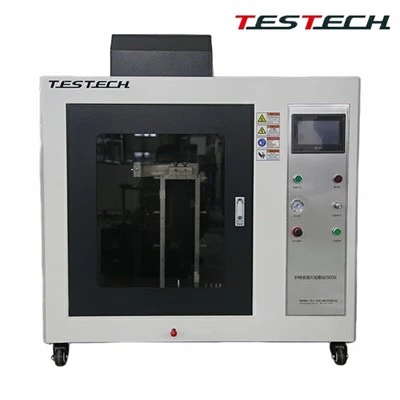
Optimizing the testing process of a Building Materials Flammability Tester is essential for ensuring accurate and reliable results. By following the tips and tricks outlined in this blog post, you can streamline the testing process, reduce variability in the results, and get more reliable information about the flammability of building materials.
Electronic Component Flammability Tester If you’re interested in learning more about our Building Materials Flammability Testers or have any questions about the testing process, please don’t hesitate to contact us. We’d be happy to help you find the right solution for your needs.
References
- ASTM E84 – Standard Test Method for Surface Burning Characteristics of Building Materials
- UL 723 – Standard for Test for Surface Burning Characteristics of Building Materials
- NFPA 255 – Standard Method of Test of Surface Burning Characteristics of Building Materials
TESTech Instrument (Suzhou) Technologies
TESTech Instrument (Suzhou) Technologies is one of the most reliable building materials flammability tester manufacturers and suppliers in China. If you’re going to wholesale durable building materials flammability tester, welcome to get quotation from our factory. For price consultation, contact us.
Address: 8/F, R&D and Production Workshop No. 5, Jiangsu Guoqian Technology Innovation Industrial Park, 168 Lüliangshan Road, Huqiu District, Suzhou, Jiangsu Province, China
E-mail: sales@testech.com.cn
WebSite: https://www.testechfiretest.com/
