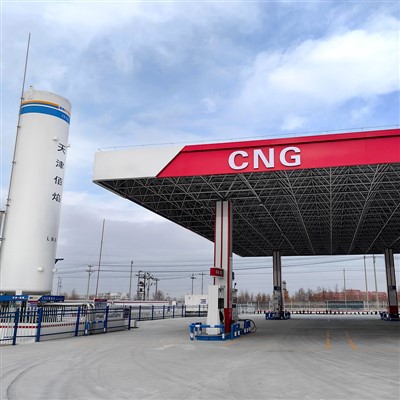
As a supplier of LPG fueling stations, I’ve witnessed firsthand the critical importance of ensuring the proper installation of LPG tanks. This process is not just about setting up equipment; it’s about guaranteeing the safety, efficiency, and long – term functionality of the entire LPG fueling system. In this blog, I’ll delve into the key steps and measures that LPG fueling stations take to ensure the proper installation of LPG tanks. LPG Fueling Station
Pre – installation Planning and Assessment
Before any installation work begins, a comprehensive planning and assessment phase is crucial. This involves site evaluation, regulatory compliance checks, and equipment selection.
Site Evaluation
The first step is to evaluate the proposed site for the LPG tank installation. Factors such as soil conditions, proximity to other structures, and accessibility are carefully considered. The soil must be able to support the weight of the LPG tank. A geotechnical engineer may be hired to conduct soil tests to determine its bearing capacity. If the soil is too soft, additional foundation work may be required to prevent tank settlement, which could lead to structural damage and potential leaks.
Proximity to other structures is also a major concern. LPG tanks should be installed at a safe distance from buildings, roads, and other potential sources of ignition. Local building codes and safety regulations typically specify the minimum distances. For example, in many areas, an LPG tank must be at least a certain number of feet away from a residential building to minimize the risk of fire and explosion in case of a leak.
Accessibility is essential for maintenance, refueling, and emergency response. There should be clear access roads and sufficient space around the tank for technicians to perform their work. This includes space for tanker trucks to deliver LPG and for maintenance equipment to reach the tank.
Regulatory Compliance
Compliance with local, state, and national regulations is non – negotiable. These regulations cover a wide range of aspects, from tank design and construction to installation procedures and safety requirements. Our team of experts is well – versed in these regulations and ensures that every installation adheres to them.
For instance, LPG tanks must meet specific standards set by organizations such as the American Society of Mechanical Engineers (ASME). These standards govern the materials used, the thickness of the tank walls, and the design of the tank’s components. Additionally, local fire codes may require the installation of fire – suppression systems, such as sprinklers or foam systems, around the LPG tank.
We also obtain all the necessary permits before starting the installation. This includes building permits, environmental permits, and safety approvals. These permits are a testament to our commitment to following the law and ensuring the safety of the installation.
Equipment Selection
Selecting the right LPG tank is crucial for proper installation. The size, type, and capacity of the tank depend on the specific needs of the fueling station. For example, a small – scale fueling station may require a smaller tank, while a large – scale commercial station may need a much larger capacity tank.
We offer a variety of LPG tanks, including above – ground and underground tanks. Above – ground tanks are easier to install and maintain, but they are more exposed to the elements. Underground tanks, on the other hand, are more protected from external factors, but their installation is more complex and requires more careful planning.
The tank’s material is also an important consideration. Most LPG tanks are made of steel, which is strong and durable. However, the steel must be properly coated to prevent corrosion. We ensure that the tanks we supply are made of high – quality steel with a reliable anti – corrosion coating.
Installation Process
Once the pre – installation planning is complete, the actual installation process begins. This involves several key steps, each of which is carried out with precision and care.
Foundation Preparation
The foundation is the base on which the LPG tank rests. For above – ground tanks, a concrete pad is typically constructed. The concrete pad must be level and have the appropriate thickness and strength to support the weight of the tank. Reinforcing steel bars may be added to the concrete to increase its strength.
For underground tanks, a proper excavation is required. The excavation must be deep enough to accommodate the tank and provide sufficient space for backfilling. The bottom of the excavation is then leveled and compacted to ensure a stable base for the tank.
Tank Installation
The LPG tank is carefully lifted and placed on the prepared foundation. For above – ground tanks, cranes are often used to hoist the tank into position. During the lifting process, safety measures are taken to prevent the tank from tipping or being damaged.
Once the tank is in place, it is secured to the foundation. This may involve using bolts or straps to anchor the tank to the concrete pad. For underground tanks, the tank is lowered into the excavation and then backfilled with soil. The backfill material must be carefully selected and compacted to provide support for the tank and prevent it from shifting.
Piping and Valve Installation
Piping and valves are essential components of the LPG fueling system. The piping must be properly sized and installed to ensure the efficient flow of LPG. It is important to use high – quality pipes that are resistant to corrosion and pressure.
Valves are installed at various points in the piping system to control the flow of LPG. These valves must be carefully selected and installed to ensure proper operation. For example, shut – off valves are installed to stop the flow of LPG in case of an emergency.
All piping and valve connections are carefully sealed to prevent leaks. We use appropriate sealing materials, such as gaskets and O – rings, and follow strict installation procedures to ensure a tight seal.
Post – installation Testing and Inspection
After the installation is complete, a series of tests and inspections are carried out to ensure the proper functioning of the LPG tank and the entire fueling system.
Pressure Testing
Pressure testing is one of the most important post – installation tests. The LPG tank and the piping system are filled with a non – flammable gas, such as nitrogen, and pressurized to a specified level. This test is used to check for leaks and to ensure that the tank and the piping can withstand the operating pressure.
During the pressure test, the system is monitored for a certain period of time. Any drop in pressure may indicate a leak, and the source of the leak must be identified and repaired before the system can be put into operation.
Leak Detection
In addition to pressure testing, leak detection is also carried out using specialized equipment. This includes gas detectors that can detect even small amounts of LPG in the air. The entire installation, including the tank, the piping, and the valves, is thoroughly inspected for leaks.
If a leak is detected, immediate action is taken to repair it. This may involve tightening connections, replacing gaskets, or repairing damaged pipes.
Safety System Inspection
The safety systems installed around the LPG tank, such as fire – suppression systems and emergency shut – off valves, are also inspected. These systems must be in proper working condition to ensure the safety of the fueling station.
The inspection includes checking the functionality of the fire – suppression system, testing the emergency shut – off valves, and verifying that all safety signs and labels are in place.
Ongoing Maintenance and Monitoring
Proper installation is just the beginning. Ongoing maintenance and monitoring are essential to ensure the long – term safety and efficiency of the LPG tank and the fueling system.
Regular Inspections
Regular inspections are carried out to check the condition of the LPG tank, the piping, and the valves. These inspections may be conducted monthly, quarterly, or annually, depending on the requirements of the regulatory authorities and the specific needs of the fueling station.
During the inspections, the tank is checked for signs of corrosion, damage, or wear. The piping and valves are also inspected for leaks, proper operation, and any signs of deterioration.
Maintenance and Repairs
Any issues identified during the inspections are promptly addressed. This may involve performing maintenance tasks, such as cleaning the tank, lubricating the valves, or replacing worn – out components.
If a more serious problem is detected, such as a major leak or structural damage, immediate repairs are carried out. Our team of experienced technicians is trained to handle these types of situations and ensure that the fueling system is restored to a safe and operational condition.
Monitoring Systems
Monitoring systems are installed to continuously monitor the condition of the LPG tank and the fueling system. These systems can detect changes in pressure, temperature, and gas levels. If any abnormal conditions are detected, an alarm is triggered, and the appropriate action can be taken.

For example, if the pressure in the tank exceeds the safe limit, the monitoring system can automatically shut off the flow of LPG and alert the operators.
Cryogenic Pressure Vessel In conclusion, ensuring the proper installation of LPG tanks is a complex and multi – step process that requires careful planning, precise execution, and ongoing maintenance. As a supplier of LPG fueling stations, we are committed to providing our customers with high – quality products and services that meet the highest safety and regulatory standards. If you are in the market for an LPG fueling station or need assistance with the installation of LPG tanks, we invite you to contact us for a detailed discussion. Our team of experts is ready to help you find the best solution for your needs.
References
- American Society of Mechanical Engineers (ASME). Boiler and Pressure Vessel Code.
- Local building and fire codes.
- Industry standards and guidelines for LPG fueling stations.
Tianjin Baiyan Technology Co., Ltd.
With abundant experience, we are one of the most professional lpg fueling station manufacturers and suppliers in China. We warmly welcome you to buy customized lpg fueling station made in China here from our factory. If you have any enquiry about pricelist and quotation, please feel free to email us.
Address: No. 36, Jixian Road, Shuangqiaohe Development Zone, Jinnan District, Tianjin, China
E-mail: sales@tjbaiyan.com
WebSite: https://www.baiyan-tech.com/
